 EU Weekly
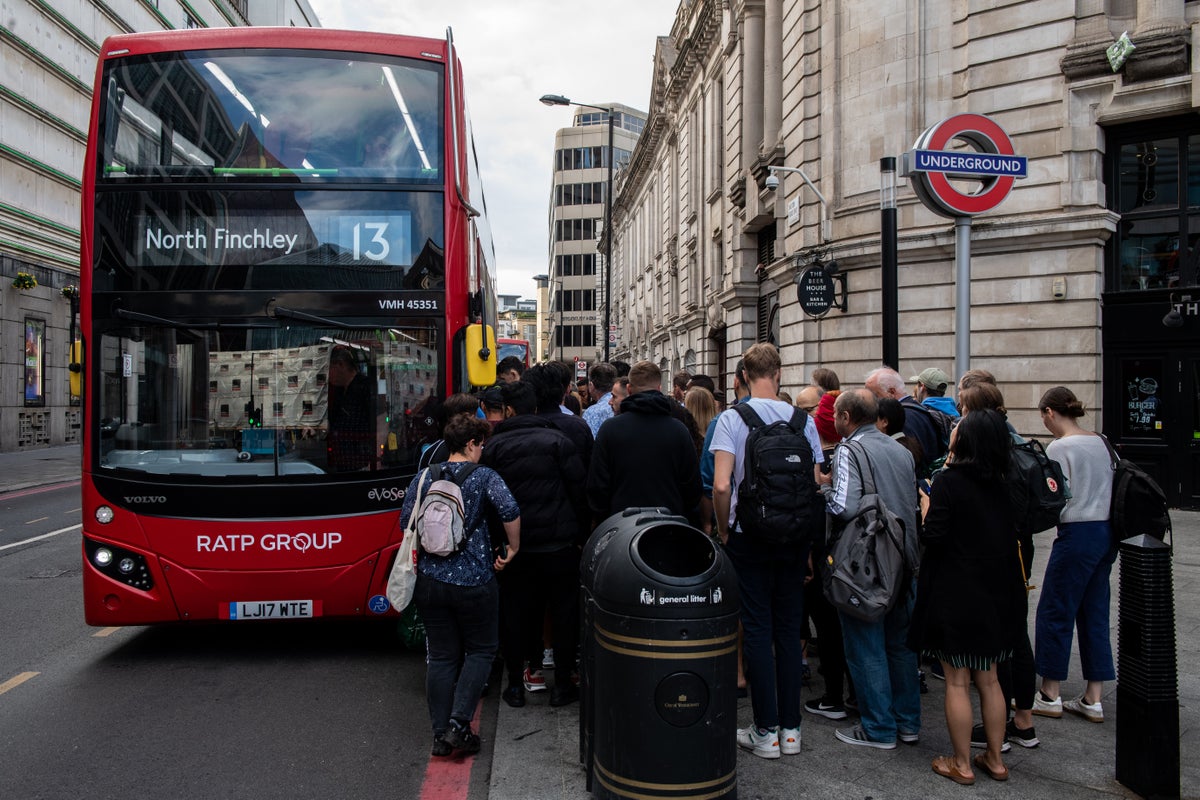
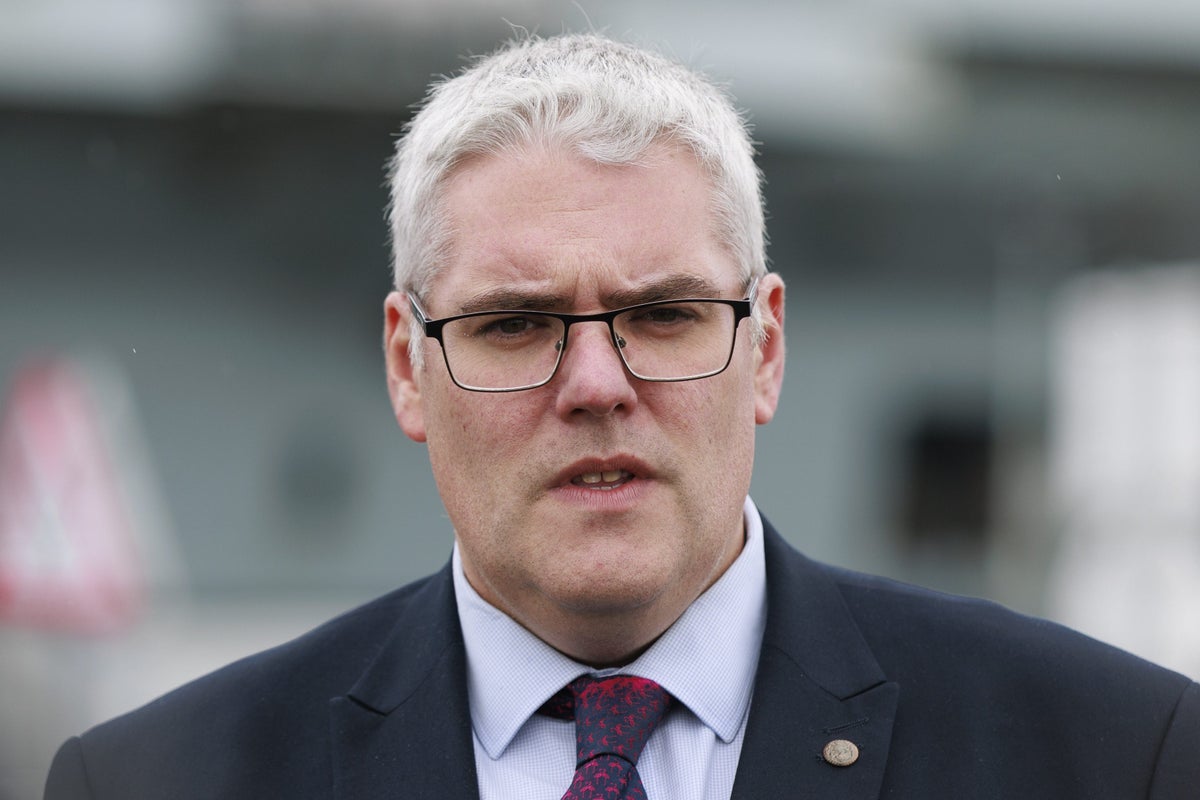
Andy Burnham has announced a crackdown on so-called headphone dodgers who play loud music on public transport. Under the new measures, people who play music out loud on buses face being hit with a hefty fine. A campaign with the tagline “share the journey, not the noise” reminding train passengers to use headphones is also being launched this week.
The push forms part of a wider crackdown on antisocial behaviour across public transport to stop littering, vaping and threatening behaviour. A poll revealed that over half of Britons are hesitant to confront those playing loud music on public transport (Alamy/PA) What are the new rules? Ministers will issue guidance to local transport authorities on how to crack down on littering, vandalism, vaping on vehicles or in bus premises, rowdy and threatening behaviour, drinking alcohol and excessive noise, which includes playing music or videos out loud without headphones.
How much could ‘headphone dodgers' be fined? Under the new guidance, authorities can issue fines of up to £100 if bus passengers refuse to comply with a request to stop playing music out loud or to stop antisocial behaviour. However, drivers are not expected to enforce these rules.
Transport safety officers or police officers will enforce the rules and issue fines. Train companies already have the power to issue fines of up to £1,000 for antisocial behaviour. Why is Burnham cracking down on playing music out loud?
Antisocial behaviour on public transport has become an increasingly prominent issue. The Liberal Democrats called for action against “headphone dodgers” last year and said bus travellers should face £1,000 fines like train passengers. Ben Plowden, chief executive of the Campaign for Better Transport , said antisocial behaviour could be “a real deterrent” to using public transport.
He said: “If these new powers are properly and visibly enforced, they should help everyone feel safe and comfortable on public transport and enjoy the ride.” Andy Burnham is launching a nationwide campaign reminding passengers to use headphones on trains (PA) Prime minister Andy Burnham said: “We’ve all been on the train when someone starts blasting music or videos from their phone. It gets on your nerves and can quickly spoil the journey. “So, we’re launching a nationwide campaign reminding passengers to use headphones on trains.” He added: “It’s a simple thing, but one that will make journeys that little bit better for all of us.” Transport secretary Heidi Alexander said: “It is so frustrating when the actions of an inconsiderate few spoil journeys for the rest of us, whether that is vaping, littering or blasting music out loud.
“Even small changes in behaviour can make a massive difference to people’s experience on public transport.” Does the public support the fines? Voters not only support a £100 fine, many would back a £1,000 fine for people playing music out loud on buses and trains, according to a YouGov poll. In a separate survey by Liberty voters said they were irritated by people talking on speakerphone.
While the public agrees, Unions do not feel the crackdown will do much to protect transport workers. Unite general secretary Sharon Graham said in response to the new fines: “Bus and tram workers are facing an avalanche of escalating abuse at work. Bus workers were deemed as critical workers during Covid and should get the same protection from violence, as emergency workers.
“The government’s proposals are well meaning but wholly inadequate to tackle the challenges and violence bus workers are facing on a daily basis. The proposed penalties are not going to deal with the issues facing workers. Our members are demanding and deserve protections at work that these proposals do not address."
Source: The Independent