 EU Weekly
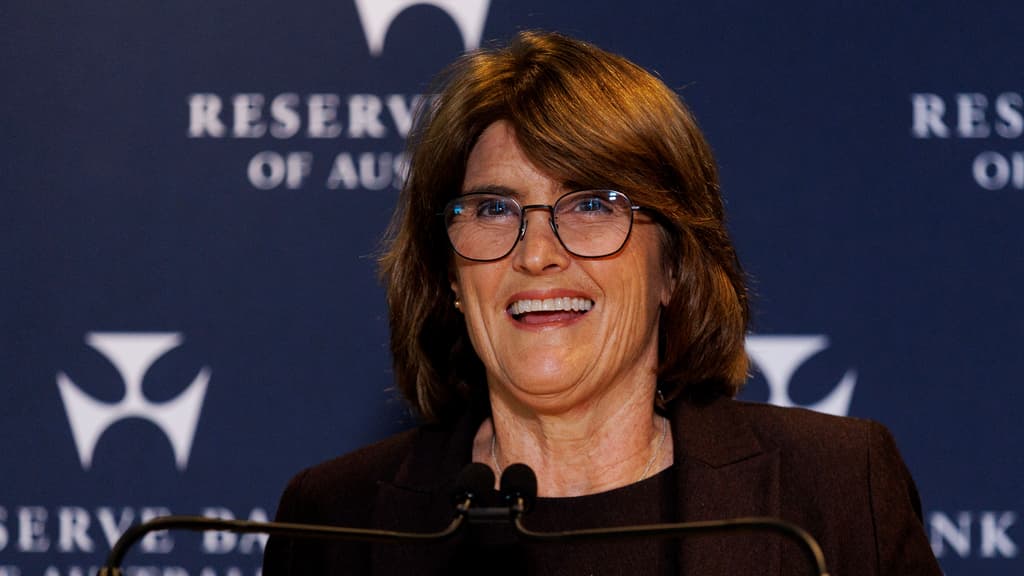
RBA Governor Michele Bullock has announced four cash rate hikes this year. Picture: Nikki Short Homeowners’ hopes of avoiding another devastating interest rate hike this year are now hinging squarely on a make-or-break event next week as the RBA this week hinted further rate increases remain firmly on the table. Speaking on Wednesday, deputy RBA governor Andrew Hauser said high oil prices, the AI boom feeding inflation and global demand shocks meant the central bank was yet to move its finger fully off the rate hike trigger.
And now experts are pointing to a make or break event next week that could hold the key to whether mortgage-holders endure Christmas with higher repayments or get some temporary reprieve. Inflation data to be released next week would be decisive, according to David “Kochie” Koch, economic director at Compare the Market. MORE: AI fraud targets loans after RBA rates blitz A higher than expected rise in the number of jobless Australians will have given the RBA pause for thought, but Mr Koch said inflation data would be just as vital.
“The RBA has two key objectives: keeping inflation under control and supporting employment,” Mr Koch said. “Markets are saying the Reserve Bank may put inflation concerns aside to focus on jobs. “But if we get a dirty inflation figure that comes in higher than expected, then I reckon the Reserve Bank is going to say, ‘All bets are off – we’ve got to focus on inflation,’ and there could be a rate rise.” MORE: What your home will be worth in 2031: all suburbs list Australia’s chances of getting another interest rate hike when the RBA next meets on Melbourne Cup day in November are currently pegged at about one five by financial markets.
The ASX Rates Tracker, which measures market expectations of interest rate changes, shows a 22 per cent chance of a hike, down from 30 per cent earlier this month. Former Sunrise host David Koch, the economic director of Compare the Market, indicated next week would be make or break for homeowners. Picture: Dylan Burns Mr Koch said the next inflation data could completely change the horizon for rates policy.
“The magic number to remember is 3.6 per cent – that’s trimmed mean inflation,” he said. “If it comes in higher than that, there will probably be an interest-rate increase. If it’s around that mark or below, we might be safe for now.” Mortgage holders with an average loan of around $731,000 are already spending $464 more a month on repayments following the four 0.25 per cent hikes that have occurred this year.
A fifth 0.25 percentage point rate hike would add another $114 to monthly repayments, bringing the cumulative monthly increase to $578 – nearly $7,000 more over the course of a year. It comes as Loan Market’s October loan trends report showed the rate hiking cycle has driven an increase in people refinancing. “When rates increase, there are two things we usually see: a decrease in new loan lodgements, and an increase in people refinancing,” said Loan Market credit expert Shay Waraker.
“After a rate hike, mortgage holders tend to look more closely at their loan – whether to see if they can find a more competitive deal or make some changes to free up cash flow.” Interest rates are currently at a 15-year high. Loan Market data showed lodgements for loans to purchase were down 24 per cent from January. The drop was particularly sharp in NSW, where lodgements, excluding refinancers, were 25 per cent below levels in January.
“Buyers are likely exercising caution,” Ms Waraker said. “With borrowing capacities impacted by increasing rates, buyers may be waiting to see if prices fall further before jumping into the market.” Investor activity had the biggest decline. The number of loan lodgements by investors fell by 39 per cent in NSW, and 44 per cent nationally.
Investors loan lodgements declined for both new and existing stock – the latter of which still qualifies for negative gearing benefits under the new tax changes announced with the May federal budget. Mr Koch urged Australians with a mortgage to take steps to reduce their costs. “The RBA decision is out of your control, but there may be levers you can pull with your bank or broker,” Mr Koch said.
“Jump on your banking app and check your current rate. Then check your lender’s website to see what it is offering new customers and whether that deal matches yours. “Next, take a look at a comparison website or call a broker to see what else is on offer.
Even a reduction of 0.25 percentage points could be meaningful.” MORE: ‘No idea’: Woman loses home in Albo’s rule change Man’s horror as rental home keeps burning down
Source: Real Estate